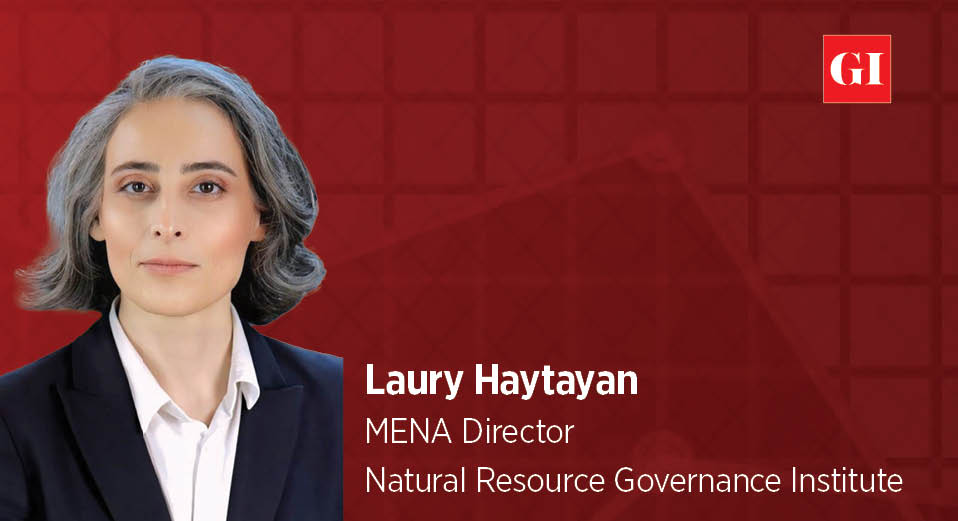
The so-called ceasefire between Lebanon and Israel has become little more than a diplomatic illusion. Beirut may no longer be under direct attack, but military operations continue across southern Lebanon under the justification of Israeli self-defense. Meanwhile, Lebanon fears becoming a bargaining chip in negotiations between Washington and Tehran, particularly over Hezbollah’s future. Lebanese leaders appear increasingly determined to reclaim agency by pursuing their own framework for containing and gradually disarming Hezbollah, rather than allowing Iran or Israel to dictate outcomes. The deeper issue is that modern ceasefires no longer resemble peace agreements, they merely redefine acceptable levels of ongoing conflict and instability.
The Gulf’s New Nightmare: Drones, Not Hormuz
For years, Gulf states feared the closure of the Strait of Hormuz as the ultimate geopolitical nightmare. Today, a second and potentially more unpredictable threat has emerged: persistent drone warfare. Iranian-linked drone attacks across the region are reshaping the security equation, exposing vulnerabilities in critical infrastructure and creating permanent uncertainty. Unlike a naval blockade, drone strikes are sporadic, difficult to deter, and psychologically destabilizing. The danger is not only economic disruption but normalization of low-grade regional warfare. With no viable diplomatic pathway currently visible, some fear that only another military escalation could reshuffle the strategic cards and force negotiations back onto the table.
Europe Chose Preparation Over Panic
Europe’s reaction to the latest energy crisis has been notably calmer than during previous shocks because governments acted before shortages became acute. The moment Qatar signaled export disruptions, policymakers activated emergency responses, tapped strategic storage, and implemented measures to limit price spikes. Airlines reduced unnecessary flights, governments introduced subsidies and tax relief, and officials urged gradual rather than panic-driven storage refilling ahead of winter. Despite the mounting regional instability, Europe has maintained its longer-term strategy of reducing dependence on Russian gas. The message from policymakers has been consistent: avoid panic, manage consumption carefully, and contain the political fallout through targeted intervention rather than emergency declarations.